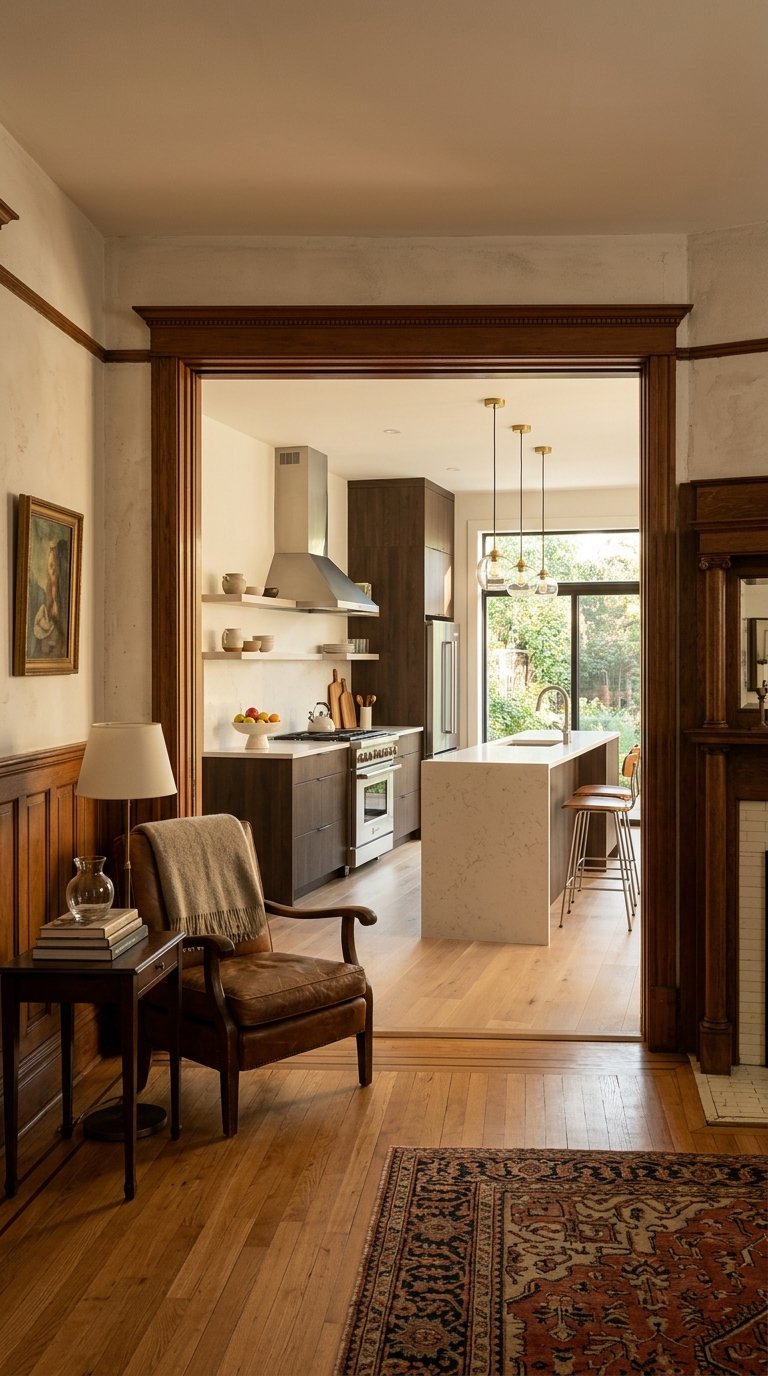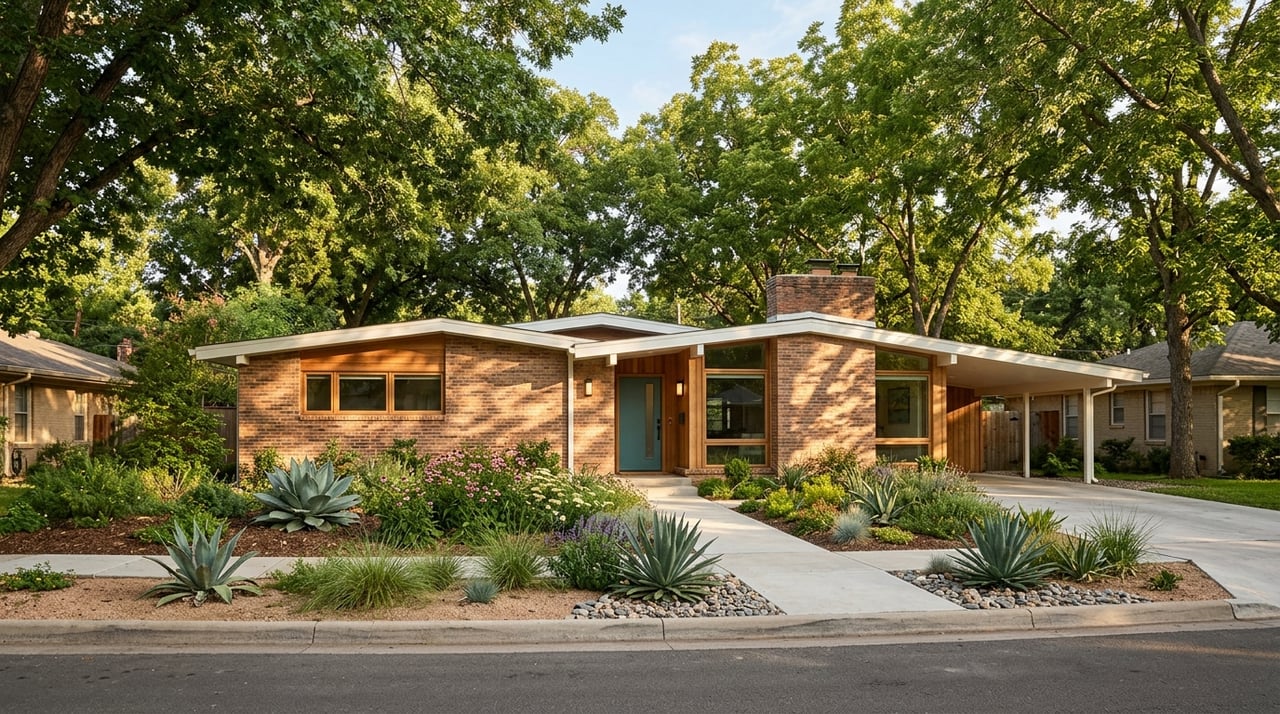
Wondering whether you need to fully remodel an older Boulder home before you sell it? In most cases, you do not. What matters more is fixing the issues that raise buyer concern, improving the first impression, and pricing the home with discipline in today’s market. Let’s walk through how to get an older Boulder home market ready without wasting time or money.
Start With Boulder Market Reality
Older homes can absolutely sell well in Boulder, but buyers are paying close attention to condition and value. Boulder is a high-value market, with a median value of owner-occupied housing units at $1,039,500, while recent market data showed a median sale price of $854,489.
At the same time, homes have been taking about 50 days to sell, and 36.5% of listings saw price drops over the last three months. That means your best strategy is usually not a big discretionary remodel. Instead, you are often better off focusing on visible improvements, reducing inspection risk, and setting a realistic price from the start.
Fix Deal-Killers First
Before you think about paint colors or staging, take care of the items most likely to create red flags during showings or inspections. In an older home, these issues can shape how buyers feel about the entire property.
Water and Moisture Issues
Moisture problems should move to the top of your list. The EPA says moisture control is the key to mold control, which makes leak repair, stain cleanup, and drainage correction especially important before listing.
Focus on practical steps like fixing leaks quickly, drying wet materials within 24 to 48 hours, cleaning roof gutters, and making sure soil slopes away from the foundation. In an older Boulder home, these repairs can help reduce odors, visible staining, and concerns that may surface in an inspection report.
HVAC, Insulation, and Air Sealing
Buyers may forgive dated finishes more easily than neglected systems. The U.S. Department of Energy recommends a home energy assessment to identify air sealing and insulation priorities, along with annual professional maintenance for furnaces and heat pumps.
For you as a seller, a tune-up and a clean service history can go a long way. If your home has older mechanical systems, showing that they have been maintained can help buyers feel more confident about the home’s overall care.
Radon in Boulder Homes
Radon deserves serious attention in Boulder. Boulder County says one out of every two homes has elevated radon levels, and radon is odorless and colorless, so you cannot identify it without testing.
Colorado sale disclosures require a radon warning, your knowledge of past testing or mitigation, and the latest CDPHE brochure. If you already have test results or a mitigation system, gather that documentation early. If you do not, this is an issue worth discussing before you list.
Lead Paint and Asbestos Concerns
If your home was built before 1978, lead-based paint may be present. This becomes more important if paint is peeling, trim is damaged, or you plan to repaint or replace windows before listing.
If you are considering any renovation that could disturb older materials, use appropriate lead-safe practices. The same cautious approach applies to asbestos. The EPA says asbestos usually cannot be identified by sight alone, so if planned work could disturb suspect material, a trained professional should evaluate it.
Check Boulder Rules Before Exterior Work
One of the easiest ways to lose time before listing is to start exterior work without checking local requirements. In Boulder, older homes can trigger extra review depending on the property and the scope of work.
Historic Review Requirements
If your home is individually landmarked or located in a historic district, the City of Boulder requires a Landmark Alteration Certificate for exterior changes. The city lists common items such as re-roofing, repainting, fencing, paving, hardscaping, solar panels, mechanical equipment, additions, and removal of mature trees.
The city also requires historic review for many non-designated buildings over 50 years old when the work meets the city’s demolition definition. If your home falls into one of these categories, verify requirements before scheduling contractors.
Wildfire-Risk Property Prep
If your home is in a higher wildfire-risk area, exterior prep matters for both presentation and practical risk reduction. Boulder County says the first five feet around structures are critical to survivability.
That makes vegetation cleanup, roof and gutter maintenance, and noncombustible perimeter improvements especially relevant in foothill-adjacent areas. The City of Boulder also offers free detailed home assessments that can help identify useful next steps.
Floodplain Considerations
If your property is in a regulatory floodplain, certain exterior or structural work may require a Floodplain Development Permit. This is another reason to confirm local requirements before you begin a project meant to help the home show better.
Focus on Updates Buyers Notice
Once the major risk items are addressed, shift your attention to improvements that help buyers connect with the home. In today’s market, simple cosmetic work often delivers more value than expensive remodeling.
Declutter, Clean, and Simplify
According to NAR’s 2025 staging report, the most common seller recommendations were decluttering, cleaning the entire home, and improving curb appeal. These are not glamorous updates, but they are often the most effective.
In an older Boulder home, clutter can make rooms feel smaller and distract from character details. A deep clean, lighter visual load, and better furniture flow can make the home feel more spacious, cared for, and easier to imagine living in.
Stage the Key Rooms
NAR also found that staging helps buyers visualize the property as a future home, and some agents reported that staging increased the dollar value offered by 1% to 10%. The rooms most often emphasized are the living room, primary bedroom, dining room, and kitchen.
That does not mean you need a full design overhaul. In many older homes, thoughtful staging simply means editing down furniture, improving lighting, defining each room clearly, and creating a stronger sense of openness.
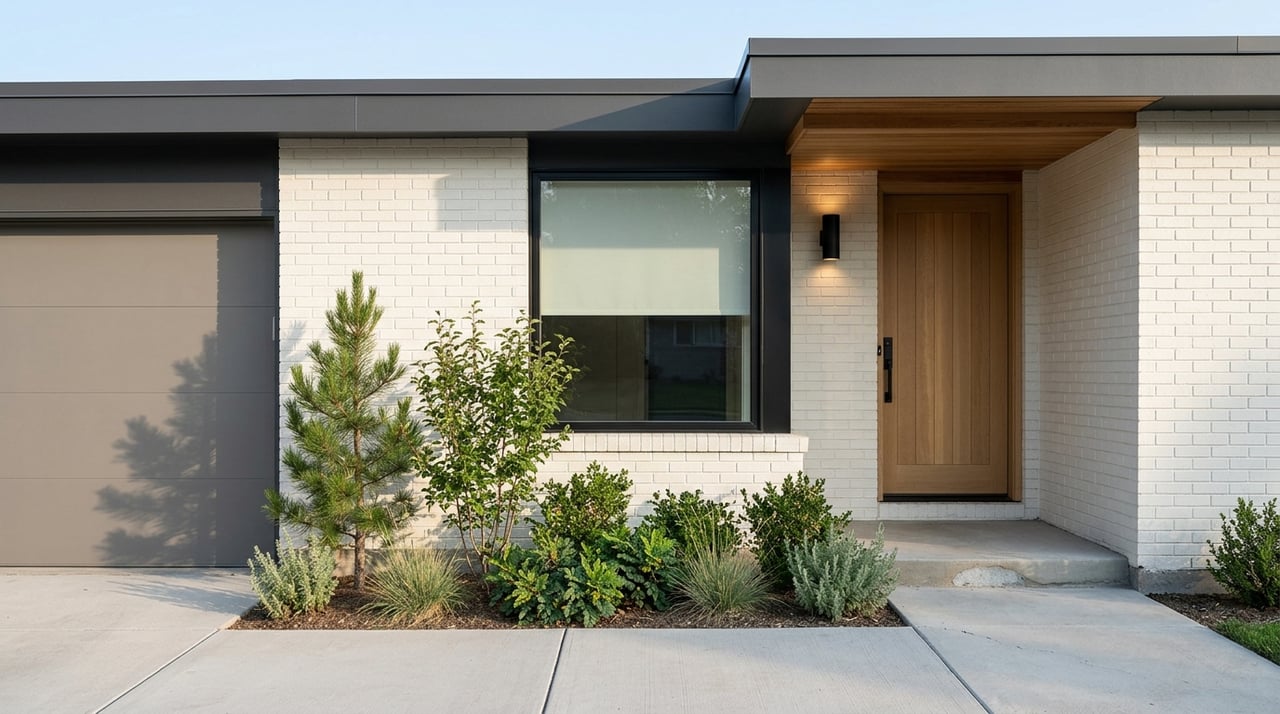
Improve Curb Appeal
Your exterior sets expectations before a buyer walks through the front door. If the outside feels tired, buyers may assume the rest of the home has been deferred too.
Useful curb appeal improvements may include:
- Cleaning up landscaping
- Trimming overgrowth
- Clearing leaves and debris
- Refreshing paint where needed
- Repairing visible roof or gutter issues
- Updating the front door if it is worn or damaged
NAR’s 2025 Remodeling Impact Report found that a new steel front door had a 100% cost recovery, and a new fiberglass front door had 80% cost recovery. That supports a practical approach: fix or upgrade highly visible features before considering a major remodel.
Build Your Disclosure File Early
Older homes usually come with a longer paper trail, and having it organized can make your sale smoother. Colorado’s seller disclosure form is based on your current actual knowledge, and the Colorado Division of Real Estate says brokers must disclose known adverse material facts.
Start gathering documents before you list so you are not scrambling once you are under contract. This can also help buyers feel more comfortable with an older property.
What to Gather Before Listing
Try to collect:
- Permit records
- Service and maintenance receipts
- Roof and gutter repair records
- HVAC service history
- Inspection reports
- Radon test and mitigation documents
- Any relevant floodplain, wildfire, or historic review paperwork
A complete file does not remove every buyer question, but it can reduce uncertainty and speed up decision-making.
Price With Discipline
Even a well-prepared older home can sit if it is priced as though every update has already been done. Boulder remains somewhat competitive, but current conditions show that polish alone is not enough.
Because homes have been taking about 50 days to sell and price reductions are common, pricing against current comparable sales matters. The strongest strategy is often to spend where it improves first impressions or reduces inspection concerns, then let current comps guide the asking price.
A Smart Order of Operations
If you are not sure where to begin, keep the process simple. For most older Boulder homes, the clearest path is to handle risk first, presentation second, and pricing last.
Best Pre-Listing Priority List
- Check water, moisture, radon, lead, and asbestos concerns
- Confirm permit, historic, wildfire, and floodplain requirements
- Declutter, clean, stage, and fix high-visibility cosmetic issues
- Assemble disclosure documents and price from current Boulder comps
This sequence helps you avoid wasted work and keeps your budget tied to what buyers are most likely to notice or question.
Selling an older home in Boulder is rarely about making it look brand new. It is about showing buyers that the home has been cared for, presenting it clearly, and backing that presentation with smart pricing and clean documentation. If you want practical guidance on what to fix, what to leave alone, and how to position your home for today’s market, the Matt Ladwig Team can help.
FAQs
What should you fix first when selling an older home in Boulder?
- Start with issues that can derail a sale, including water intrusion, moisture damage, radon concerns, neglected HVAC systems, and any visible safety or maintenance problems.
Do you need to remodel an older Boulder home before selling?
- Usually no. In Boulder’s current market, targeted repairs, cleaning, staging, curb appeal work, and realistic pricing are often more effective than a large discretionary remodel.
How important is radon testing for older homes in Boulder?
- It is very important because Boulder County says one out of every two homes has elevated radon levels, and Colorado disclosures require sellers to share specific radon-related information.
Do older Boulder homes need historic review before exterior updates?
- Some do. If the home is landmarked, in a historic district, or is an older building meeting certain review triggers, the City of Boulder may require historic review before exterior work.
What documents should you gather before listing an older home in Boulder?
- Gather permits, service receipts, inspection reports, HVAC records, radon documents, mitigation records, and any relevant paperwork related to historic review, wildfire assessments, or floodplain requirements.