Looking for a mountain getaway that still feels livable day to day? Owning a cabin or chalet in Nederland can offer that balance, but it also comes with real planning around snow, access, utilities, and maintenance. If you are thinking about buying in this part of Boulder County, it helps to understand both the appeal and the practical side before you make an offer. Let’s dive in.
Why Nederland attracts cabin buyers
Nederland sits about 17 miles west of Boulder at roughly 8,233 feet in elevation. It is located along the Peak to Peak Scenic and Historic Byway, and its mining-era history still shapes the town’s character today.
For many buyers, the draw is simple: you get mountain scenery and outdoor access without feeling completely cut off from daily essentials. Colorado tourism notes that Nederland has restaurants, coffee houses, groceries, a hardware store, a pharmacy, lodging, map information, and other basic services that make regular use easier.
That blend matters if you want a second home or a full-time mountain property. You can enjoy the feeling of a retreat while still having access to practical conveniences nearby.
Outdoor access near Nederland
If your ideal cabin lifestyle includes trails, skiing, and year-round recreation, Nederland has strong appeal. The town is close to the Indian Peaks Wilderness, West Magnolia Trailhead, Brainard Lake Recreation Area, and Eldora Mountain Resort.
West Magnolia Trailhead provides access to about eight miles of trail for hiking, biking, and horseback riding. Brainard Lake serves as a year-round access point into the Indian Peaks trail system, although snow can remain there until July.
In summer, Brainard Lake uses timed entry, and overnight trips in the Indian Peaks summer season require permits. If you picture spontaneous mountain weekends, it helps to know that some recreation areas nearby come with seasonal rules and planning.
Eldora Mountain Resort is also a major part of the local winter lifestyle. It offers downhill skiing along with Nordic and snowshoe opportunities, which adds to Nederland’s appeal for buyers who want a winter basecamp.
What cabins and chalets look like here
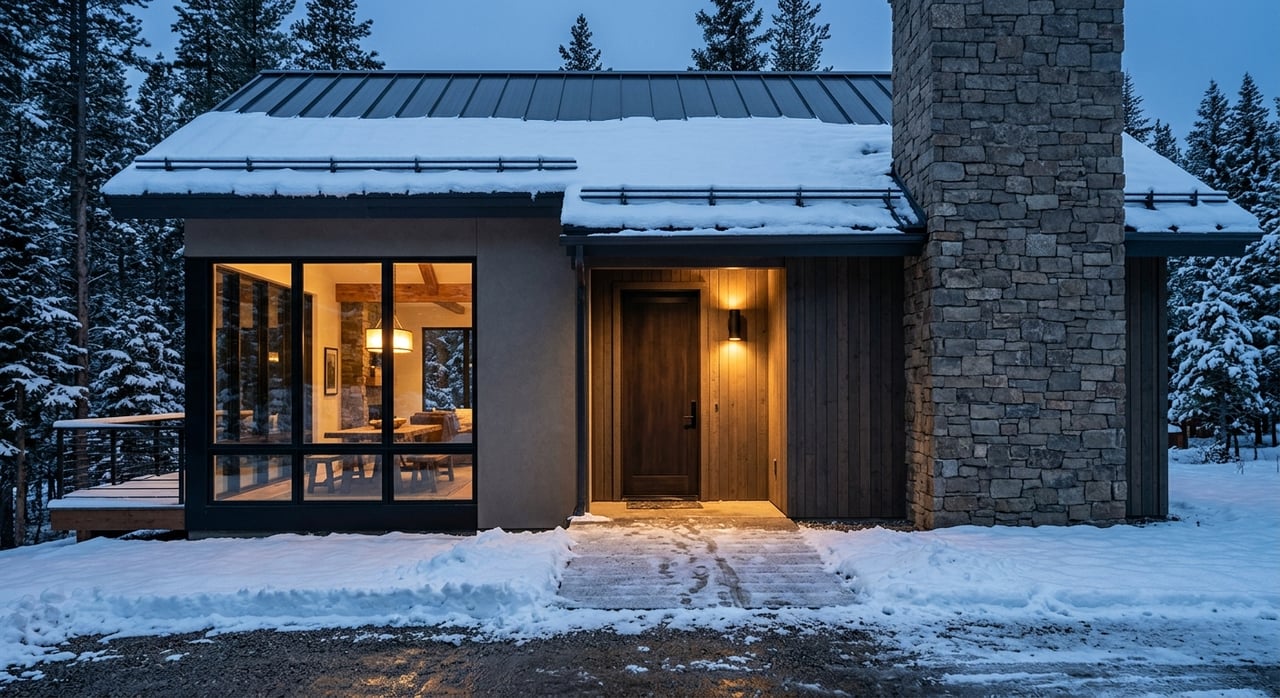
Nederland’s housing mix is not limited to one style, but mountain-home buyers often focus on single-family properties. The town’s 2024 comprehensive plan update describes neighborhood residential areas with single-family homes, duplexes, townhomes, cottage courts, and small apartment buildings.
It also describes mountain residential areas as single-family homes on larger lots with difficult topography. In practical terms, that often means buyers shopping for cabins or chalets are looking at mountain-style homes, older houses, and properties on sloped land.
Some homes may feel more rustic or historic than properties in newer resort-style communities. Nederland’s mining history helps explain why certain homes and parts of town carry that older mountain character.
Mountain property means site details matter
In Nederland, the lot can matter just as much as the house itself. Sloped terrain, larger parcels, and mountain access can all affect how a property functions through the year.
That is why it is important to look beyond finishes and square footage. You want to understand how the site is accessed, how steep it is, what maintenance it may require, and whether the property is inside town limits or in unincorporated Boulder County.
That last point affects several ownership details, including snow clearing, wildfire rules, and utility setup. A home in town may operate very differently from a mountain parcel just outside town.
Winter access and snow planning
Snow is part of life in Nederland, so access should be one of your first questions. The town says it plows paved, dirt, and gravel roads inside town limits, but some roads are privately maintained.
State highways 119 and 72 are maintained by CDOT, and county roads connect residents to surrounding destinations. Roads are plowed on a priority basis, and local streets and cul-de-sacs are generally plowed after every storm.
The key issue for buyers is not just whether roads get plowed, but who plows the specific road serving the home. A property on a private road may come with a very different winter routine than one on a town-maintained street.
Nederland also expects residents to keep vehicles off the street during snow events. Sidewalk snow and ice must be cleaned up within 12 hours of the last accumulation, and widening and ice-removal work can continue for several days after a storm.
On state highways, CDOT may activate traction laws during winter storms. That can require AWD or 4WD with appropriate tires, or chains, depending on conditions.
Utilities, wells, and wastewater
Utility setup is another major factor when buying a cabin or chalet near Nederland. Buyers should verify whether a home is connected to town utilities or relies on private systems.
Boulder County says dwellings must have water service or a permitted well, plus a sewer connection or an onsite wastewater treatment system. Boulder County Public Health reviews onsite wastewater permits, which makes it important to confirm system status during due diligence.
Nederland also has its own wastewater treatment plant. That means homes inside town limits may have different utility arrangements from homes on outlying mountain parcels.
If you are considering future additions, that utility picture matters even more. Boulder County notes that its change-in-use policy can be triggered by additions such as extra bedrooms or business use.
Wildfire planning is part of ownership
Wildfire risk is a major ownership consideration in Boulder County. If you are buying a mountain home, it is smart to treat wildfire preparation as part of the total cost and responsibility of ownership.
Boulder County wildfire rules require ignition-resistant materials and defensible space for many projects in unincorporated areas. The county also supports home hardening, home assessments, and related mitigation preparation.
The Colorado State Forest Service notes that the home ignition zone needs regular upkeep over time. Trees, grasses, and shrubs continue to grow and drop debris, so roofs, decks, gutters, and nearby fuel loads need ongoing attention.
This is not a one-time checklist item. It is a maintenance category that should be built into how you plan to own and care for the property.
Insurance should be checked early
Many buyers assume they can figure out insurance after they go under contract. In mountain areas, that can create avoidable stress.
Boulder County notes that insurance companies set their own guidelines. Because of that, it is wise to check insurance options early instead of assuming coverage will be simple or readily available.
For a cabin, chalet, or second home, this step is especially important. The property’s location, access, wildfire exposure, and condition can all affect the insurance conversation.
Vacancy and winterization matter
If the property will sit empty between visits, winter planning becomes even more important. CSU Extension warns that rural residents can be stranded for several days during blizzards and recommends backup power or heat, food, supplies, and freeze protection for water systems.
That guidance is especially relevant for part-time owners. A cabin that feels easy to manage in summer may need a much stronger winter plan once temperatures drop and storms move in.
Before you buy, ask how the home has been winterized and whether it has backup systems in place. You should also understand what level of monitoring and maintenance the property may need when vacant.
Short-term rental assumptions can backfire
Some buyers hope a cabin can help offset ownership costs with occasional rental income. That may be possible in some cases, but you should not assume it is automatic.
Nederland’s municipal code includes short-term rental licenses. If rental use is part of your plan, you will want to verify the current rules before moving forward.
That step can shape which properties make sense for your goals. It is much better to confirm use rules early than to discover limits after closing.
Questions to answer before buying
If you are serious about owning a cabin or chalet in Nederland, these are some of the best questions to ask early:
- Is the property inside Nederland town limits or in unincorporated Boulder County?
- Is access from a town street, county road, or private road?
- Who is responsible for snow plowing on the road serving the home?
- Is the home on town water and sewer, or on a well and onsite wastewater system?
- Will wildfire mitigation work be needed right away?
- Have you reviewed insurance options for this specific property?
- If the home will be vacant part of the year, what winterization and backup systems are in place?
- If you want rental income, do current short-term rental rules allow that use?
These questions help you evaluate not just whether a home looks appealing, but whether it fits your budget, routine, and comfort level as an owner.
Why local guidance matters
Buying in Nederland is different from buying in a more typical suburban market. You are not just evaluating bedrooms and finishes. You are also evaluating road access, site conditions, utility systems, mitigation needs, and how the property performs through all four seasons.
That is where practical local guidance can make a big difference. A buyer who understands the operational side of mountain ownership is in a much better position to choose the right property and avoid expensive surprises.
If you are exploring cabins, chalets, or other mountain homes near Nederland, the Matt Ladwig Team can help you evaluate the details that matter and move forward with clarity.
FAQs
What makes Nederland, CO appealing for cabin buyers?
- Nederland offers mountain access near Indian Peaks Wilderness, West Magnolia Trailhead, Brainard Lake Recreation Area, and Eldora Mountain Resort, while still providing everyday services like groceries, restaurants, a hardware store, and a pharmacy.
What types of homes are common in Nederland, CO?
- Nederland includes a mix of housing, but cabin and chalet buyers often focus on single-family mountain homes, including properties on larger or sloped lots in mountain residential areas.
What should you know about winter road access in Nederland, CO?
- Roads inside town limits are plowed by the town on a priority basis, highways 119 and 72 are maintained by CDOT, and some roads are privately maintained, so buyers should confirm who plows the specific road serving the property.
How do utilities work for cabins near Nederland, CO?
- Some homes may be connected to town utilities, while others may rely on a permitted well and an onsite wastewater treatment system, so buyers should verify the setup for each property.
Why is wildfire mitigation important for mountain homes in Boulder County?
- Wildfire mitigation matters because county rules may require ignition-resistant materials and defensible space for certain projects, and ongoing upkeep around the home ignition zone is part of responsible ownership.
Should you check insurance before buying a cabin in Nederland, CO?
- Yes. Boulder County notes that insurance companies set their own guidelines, so it is smart to review insurance options early rather than assume coverage will be straightforward.
Can you use a Nederland, CO cabin as a short-term rental?
- Possibly, but you should verify current local rules first because Nederland’s municipal code includes short-term rental licenses.
What should you ask if a Nederland, CO cabin will sit vacant in winter?
- Ask whether the home has been winterized, whether it has backup heat or power, and how water systems are protected during freezing conditions and extended absences.