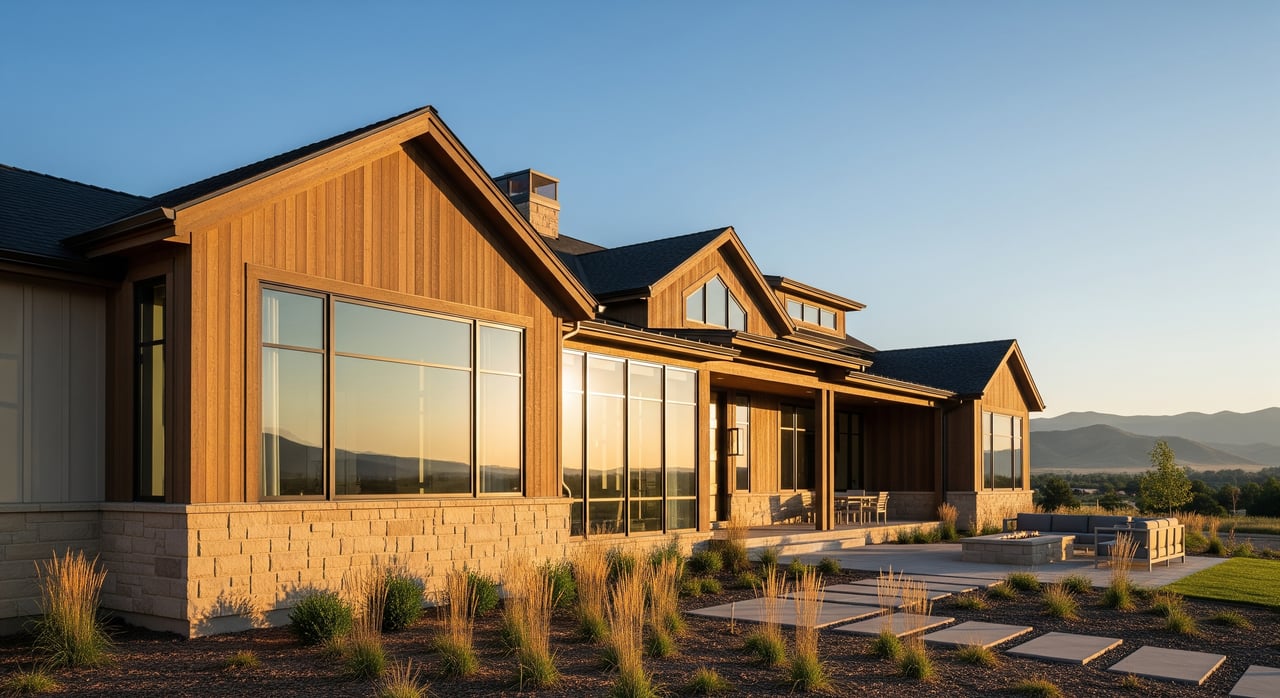
Thinking about a brand-new home in Erie’s Weld County side? You are not alone. New builds can offer modern layouts, energy-efficient systems, and the chance to personalize finishes. The flip side is that builder contracts, upgrade pricing, inspections, and warranties work differently than resale homes. In this guide, you will learn the key steps to protect your budget, your timeline, and your peace of mind from contract to warranty.
Let’s dive in.
Erie new-build basics
New construction in Erie sits under different permitting authorities depending on the exact parcel. Some lots fall under the Town of Erie. Others in the Weld County portion follow Weld County’s procedures. That matters for permits, inspections, and final approvals.
- Confirm who has jurisdiction for your lot before you sign anything.
- Ask the builder for development approvals, recorded plats, and current permit status.
- Keep copies of municipal inspection records and the certificate of occupancy with your closing documents.
Many new communities include homeowner associations. HOAs can set design rules, fees, and approval processes for exterior changes. There can also be special districts for utilities and services. Check the county assessor for current taxes and any special district assessments tied to the parcel.
Builder contracts in Erie
Builder purchase agreements are not the same as standard resale forms. Most builders use their own contracts that set timelines, option rules, and change-order procedures. They often include arbitration or limits on remedies. Read every provision closely and get experienced help before you sign.
What differs from resale
- Contingencies. Builder contracts may limit inspection and financing contingencies or require specific cure periods. Some tie incentives to using a preferred lender.
- Earnest money. Deposits are often larger, staged, and may become nonrefundable earlier than in resale deals. The timeline and refund rules are spelled out in the contract.
- Options and allowances. Instead of post-inspection credits, you select features from option sheets or work within allowances for categories.
- Change orders. Contracts define how changes are priced, who approves them, and how they impact your schedule.
- Dispute resolution. Mandatory arbitration and limits on damages are common in builder forms.
Clauses to review closely
- Price and inclusions. Confirm the base price and exactly what is included. Separate structural items from finish upgrades.
- Lot premium and site costs. Verify any lot premium and whether utility tie-ins, grading, or drainage items are extra.
- Delivery timing and delays. Learn if the completion date is a target or a firm date and what remedies exist for delays.
- Preferred-lender incentives. Understand whether incentives require using a specific lender.
- Warranty and punchlist. Note the timing for walkthroughs, repairs, and how long the builder has to complete items.
- Assignment and solvency. Read the language about assignment or builder bankruptcy and how it affects remedies.
Smart negotiation moves
- Have the full contract and option sheets reviewed by a professional experienced in Colorado new construction.
- Try to preserve inspection and financing protection, or add clear cure periods.
- Ask for firm, written prices for upgrades and caps on change-order markups.
- Get all verbal promises in writing through an addendum.
- Request a detailed inclusions list with brands and model numbers to avoid ambiguity.
Upgrade pricing in Erie
Upgrades are exciting, but they are also a common budget surprise. Builders usually present choices as fixed-price options, allowance budgets per category, or tiered finish packages.
How options and allowances work
- Fixed-price menu. You choose specific items at set prices. Examples include a covered patio, a fireplace, or a cabinet package.
- Allowance budgets. You are given a dollar amount for a category, such as countertops. If your selections exceed the allowance, you pay the difference via change order or at closing.
- Tiered packages. Standard, premium, and deluxe packages bundle finishes to simplify choices and reduce change orders.
Always ask whether allowances include installed cost and whether unused amounts are credited at closing. Get itemized pricing in writing and ask if pricing is locked after signing.
What costs to expect
Exact numbers vary by builder and community, but you can use general patterns to plan:
- Small cosmetic items like lighting or hardware often cost a few hundred to a few thousand dollars.
- Mid-level kitchen upgrades, such as engineered stone counters or mid-range appliances, commonly land in the mid-thousands.
- Larger finish upgrades, like hardwood across the main floor or premium tile packages, can reach the high five-figure range.
- Structural additions and finished basements typically start in the five figures and scale with scope.
Builders may apply markups that exceed retail. If something seems high, request detailed pricing and compare apples to apples on materials and labor.
Ways to save without regret
- Prioritize structure first. Select structural options you cannot easily change later. You can always upgrade a faucet later.
- Lock in written prices. Ask if upgrade prices are guaranteed after you sign. Avoid open-ended pricing.
- Confirm post-close freedom. If you plan to add items after closing, verify whether third-party work affects the builder warranty.
- Ask about credits. Check if unused allowances are credited to you at closing.
Inspections and sign-offs
Even brand-new homes benefit from independent inspections. Municipal inspections focus on code. A third-party inspector looks for workmanship and long-term performance issues.
Pre-drywall advantage
A pre-drywall inspection takes place after framing and rough-ins, but before insulation and drywall. It can reveal issues that are hard or expensive to correct later. Typical finds include framing corrections, duct routing concerns, or flashing details that need attention. Schedule this early so the builder has time to address items without delaying the build.
Final and 11th-month walkthroughs
Schedule a final independent inspection a day or two before your builder walkthrough. Bring the report to the walkthrough and build a punchlist with the site manager. Document everything in writing with photos. Many builders require a formal warranty list before the end of the first year, so book your 11th-month walkthrough now and plan to submit items before that deadline.
Picking the right inspector
Look for inspectors experienced with new construction and familiar with Erie and Weld County procedures. Membership in recognized professional organizations is a useful baseline. Ask for recent references from new-build clients in the area. Confirm that you will receive written reports with photos and that staged inspections are available.
Warranties and claims
Know what your builder warranty covers and for how long. You should receive the full, written warranty and any third-party warranty documents before closing.
1-2-10 coverage basics
Many builders follow a common pattern: one year for workmanship and materials, two years for systems like plumbing, electrical, and HVAC, and ten years for major structural defects. This is a typical structure, not a single state rule. Confirm exact terms in your builder’s written warranty, including exclusions and maintenance requirements.
Claims process and timelines
Follow the written claim procedure. Most warranties require written notice, photos, and a set time for the builder to respond and cure. Keep a log of all communications, repair appointments, and outcomes. Schedule your 11th-month walkthrough so you can submit items before first-year coverage expires.
If the builder changes or exits
If your warranty is backed by a third-party provider, coverage may continue even if the builder is no longer operating. If it is not, your remedies depend on contract terms and the builder’s solvency. For serious structural issues or unaddressed defects, consult a local construction-defect attorney and follow any dispute-resolution steps in your contract.
Smooth timeline checklist
Use this simple sequence to stay organized from reservation to move-in:
- Confirm jurisdiction and permits.
- Verify whether the lot is under the Town of Erie or Weld County and obtain current permit status.
- Review the contract and pricing.
- Get the full builder contract, all option sheets, and the upgrade price list. Ask for a sample settlement statement if you are using allowances.
- Lock your selections.
- Prioritize structural options first, then finishes. Get itemized, written pricing and confirmation of any price locks.
- Plan inspections.
- Hire an inspector for pre-drywall and final. Put your 11th-month walkthrough on the calendar now.
- Track municipal sign-offs.
- Keep copies of inspection results and the certificate of occupancy. Confirm permits will be closed by or at closing.
- Prepare to close.
- Recheck the punchlist, confirm lender incentives and closing costs, and verify HOA budgets and rules.
- Post-close follow-through.
- Keep all warranty contacts, model and serial numbers, and product manuals together. Submit warranty items in writing.
Buyer mistakes to avoid
- Skipping pre-drywall and final inspections because the home is new.
- Assuming incentives require a specific lender without comparing total costs.
- Letting allowances float without itemized prices or clarity on credits.
- Relying on verbal promises that never make it into the contract.
- Closing with open permits or without a certificate of occupancy.
Next steps
If you are weighing a new build versus resale in Erie’s Weld County side, a clear plan beats guesswork. Start with jurisdiction, contract terms, and upgrade pricing, then schedule staged inspections and secure the written warranty. With the right approach, you will enjoy the benefits of a new home without the preventable headaches.
Have questions about a specific community, contract, or upgrade list? Connect with the Matt Ladwig Team for practical, local guidance from contract review to punchlist strategy.
FAQs
What should Erie buyers verify before signing a builder contract?
- Confirm the lot’s jurisdiction, get the full builder contract and option sheets, review deposit and refund rules, and verify permit status and HOA documents.
How do upgrade allowances work in new construction?
- You receive a set dollar amount per category and pay any overage; ask if allowances include installed cost and whether unused amounts are credited at closing.
Why schedule a pre-drywall inspection on a new build?
- It reveals issues behind the walls while they are still accessible, which helps the builder correct items before insulation and drywall.
What warranty coverage is typical for new homes?
- Many builders follow a 1-2-10 structure: one year for workmanship, two years for systems, and ten years for major structural items, subject to the written warranty.
What if permits are still open near closing in Erie’s Weld area?
- Request that the builder closes permits before or at closing, or negotiate a written plan with clear timelines and remedies if closure is delayed.
Do I have to use the builder’s preferred lender to get incentives?
- It is often optional, but incentives may be tied to using the preferred lender, so compare total costs, rates, and fees before deciding.