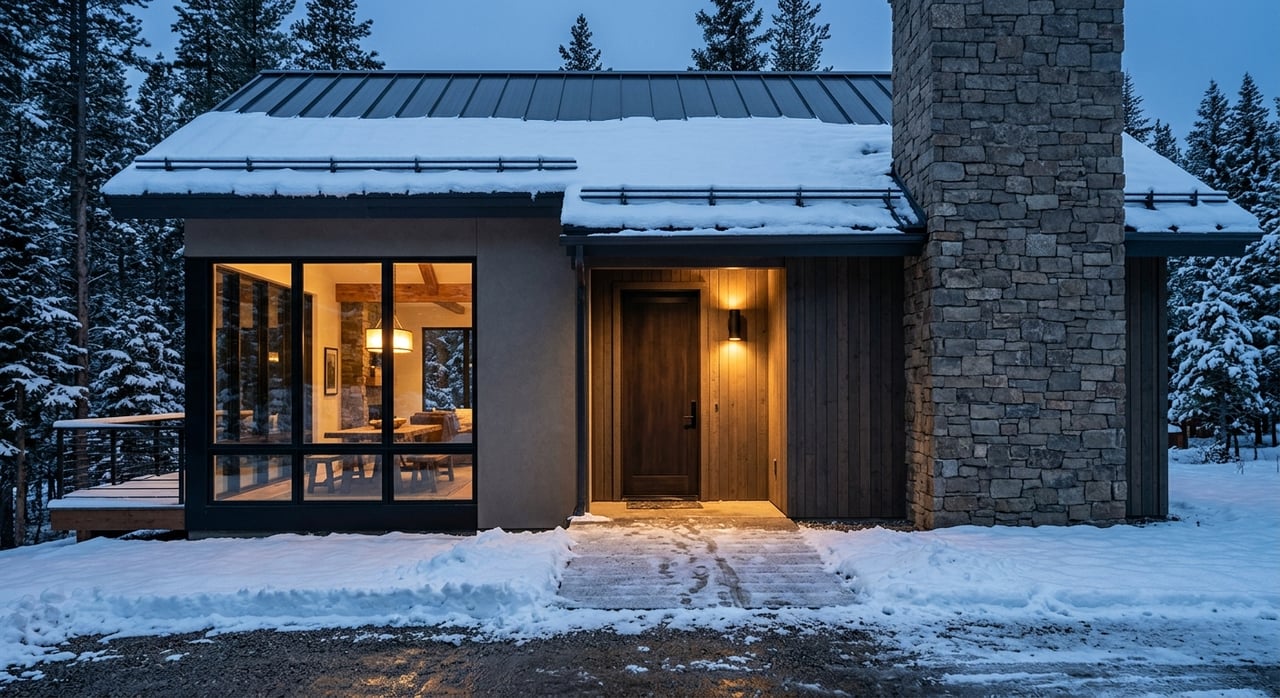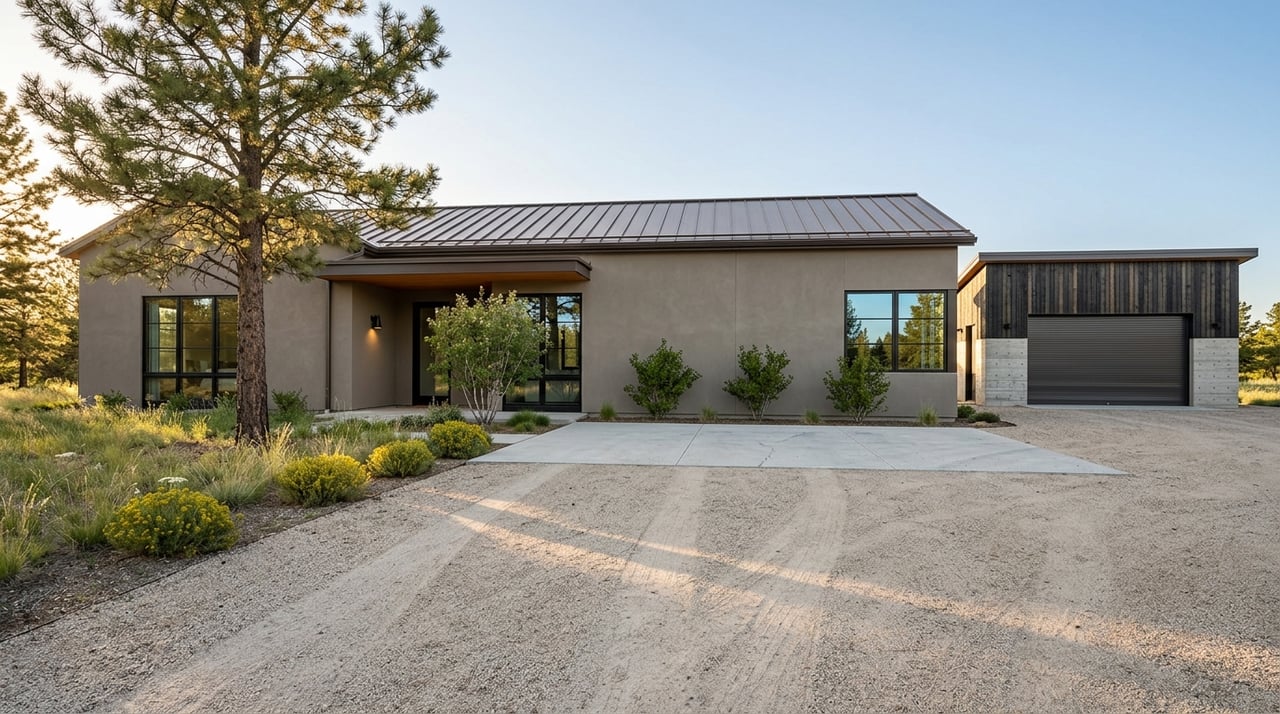
Dreaming about a little more space in Niwot? Acreage property can offer room to spread out, add outbuildings, and enjoy a different kind of Front Range lifestyle, but it also comes with a very different due diligence process than buying an in-town home. If you are looking at land, small farms, or homes on larger parcels in and around Niwot, you need to understand county rules, utility questions, and access issues early. This guide walks you through the big items to verify before you buy, so you can move forward with more clarity and fewer surprises. Let’s dive in.
Why acreage in Niwot needs extra homework
Niwot is an unincorporated Boulder County community, which means many acreage properties there are governed by county land-use and building rules rather than a city code. According to Boulder County’s overview of unincorporated towns, zoning and development standards are generally handled at the county level, and Agricultural zoning is common in the unincorporated plains.
That said, you should not assume every property follows the same rules. Boulder County notes that nearby incorporated towns are different jurisdictions, so it is important to verify whether a parcel is truly in unincorporated county territory or within town or city limits before you rely on county standards.
For buyers, that matters because acreage value is often tied to what you can actually do with the land. A parcel may look ideal on paper, but zoning, access, water, septic, or recorded restrictions can change what is feasible.
Start with buildability and basic feasibility
Before you get too attached to a property, confirm that it is legally buildable and functionally usable for your goals. Boulder County specifically recommends checking whether the parcel has water, can support septic, sits outside floodplain constraints, and has legal access for a driveway before buying a vacant lot.
This is one of the biggest differences between buying acreage and buying a typical suburban home. With acreage, you are not just evaluating the house. You are evaluating the parcel, the systems, and the path to future improvements.
Questions to ask early
- Is the parcel legally buildable?
- What is the zoning by address or parcel number?
- Are there floodplain or other land-use constraints?
- Is there legal driveway access?
- Are there recorded restrictions that affect use?
If you are considering a vacant parcel or a property with plans for future expansion, these questions should come up right away.
Check conservation easements and restrictions
Conservation easements are a major item in Boulder County acreage transactions. The county says these easements protect more than 40,000 acres and nearly 850 private properties, and they stay attached to the land after a sale. That means the next owner must follow the easement terms.
In practical terms, a conservation easement can limit development, building locations, and allowable uses. If you are thinking about adding structures, changing how the land is used, or simply preserving future flexibility, review any easement language carefully before closing.
Boulder County’s conservation easement information is a helpful reminder that ownership rights on acreage can be more limited than buyers expect.
Wells and water rights matter more than buyers expect
Water is often one of the most important due diligence items on acreage property. In Colorado, the details of a well permit can shape what you can and cannot do with the property.
The Colorado Division of Water Resources says every new well that diverts groundwater must have a well permit, and the permit file shows the allowable uses of that well. Review of complete new or replacement well applications may take up to 49 days, so timing matters if you are planning changes after closing.
Well use is not always flexible
Many buyers assume that if a property has a well, they can use it for broad household and outdoor needs. That is not always the case. The state warns that if you want well use for lawn and garden irrigation, domestic animals, subdivision activity, or certain other projects, a permit may not be possible without first obtaining an augmentation plan in many areas of Colorado.
This is why it is so important to get the existing well permit and understand the approved uses before you buy. If your plan includes gardens, animals, or future improvements, that review should happen early, not after closing.
Septic can affect closing, cost, and future plans
Most acreage buyers know they need to ask about septic. Fewer realize how directly it can affect the transaction timeline.
Boulder County requires an OWTS property transfer certificate at sale unless an exemption applies. If the entire septic system was installed and received final approval less than five years before closing, a transfer certificate is not required. Otherwise, the county says inspection and either a certificate or a repair agreement are part of the transfer process.
According to Boulder County’s OWTS property transfer guidance, and its permit and fee schedule, the current fees include:
- $500 property transfer fee
- $3,023 new-construction permit
- $3,023 major repair permit associated with property improvements
The county also notes that processing a property transfer certificate can take up to 10 business days. If you are on a tight closing schedule, that timing should be part of your planning.
Septic is also an ownership issue
Once you own acreage, septic maintenance is ongoing. Boulder County advises pumping every 3 to 5 years, inspecting at least once every 10 years or before buying or selling, and keeping pumping and repair records. The county also notes that septic systems are its second most frequently cited source of groundwater contamination.
That makes maintenance more than a checklist item. It is part of protecting the property and avoiding larger repair issues down the road.
Zoning, setbacks, and outbuildings are parcel-specific
Acreage buyers often picture barns, workshops, sheds, garages, or future additions. Those improvements may be possible, but the details depend on zoning, setbacks, road adjacency, and in some cases subdivision building envelopes.
Boulder County states that setbacks vary by zoning and location, and some major roads have supplemental setback requirements. This is why a quick online glance is not enough. A structure that fits visually on a parcel may still be restricted by the actual setback rules.
Do not assume small structures are automatically allowed
The county’s building permit requirements exempt only certain small one-story detached accessory structures under 120 square feet and 12 feet tall with no utilities. Even then, the number of exempt accessory structures depends on parcel size:
- One on parcels up to 0.5 acre
- Two on parcels over 0.5 acre and under 10 acres
- Three on parcels 10 acres and larger
The county also makes clear that even exempt structures cannot violate land-use approvals or conservation easements.
Site Plan Review may come first
For vacant parcels, Boulder County says Site Plan Review is required before a building permit. Some larger expansions also trigger that review. Accessory structures under 1,000 square feet may be exempt from Site Plan Review, but the county advises buyers to verify that with Planning early.
If your purchase depends on future building potential, this is the kind of issue to sort out before you remove contingencies.
Access and roads deserve close review
Access can sound simple until you discover the driveway, right-of-way, or road maintenance setup is more complicated than expected. Boulder County says an Access Permit is required if a driveway connects to a county right-of-way. A Construction Permit may also be required for road, drainage, or other improvements within county right-of-way, and for private driveways serving more than one parcel.
Road conditions also matter for daily life and seasonal access. Boulder County’s Road Map is the official record of county road ownership, use, and maintenance, and the county notes that some road classes may have seasonal access limits or may not be maintained for passenger cars.
The county maintains about 700 miles of roadway, with nearly half gravel and half asphalt, and that maintenance includes snow removal, grading, dust control, and patching. For buyers, the practical takeaway is simple: verify how the road is classified, who maintains it, and what winter access may really look like.
Subdivision and future development are tightly controlled
If you are buying acreage with long-term plans to split the property later, do not assume that will be easy. Boulder County says creating parcels under 35 acres generally requires an official subdivision process, while parcels 35 acres and larger may be divided by deed.
The county also notes that livestock allowances are parcel-specific and that private covenants can be stricter than county zoning. So even if zoning appears to allow a certain use, another recorded restriction could still limit what you can do.
This is where careful review pays off. The land may support your goals, but you need confirmation from the right records and departments.
Wildfire and land maintenance affect real ownership costs
The purchase price is only part of the acreage equation. Ongoing ownership costs can look very different from what you might expect with a neighborhood home.
Boulder County requires wildfire mitigation for new buildings and some additions, alterations, and repairs in unincorporated areas. The county says requirements can include ignition-resistant construction, defensible space, noncombustible perimeter rules, and for some new residences, an emergency water supply or cistern solution depending on the fire district.
Land upkeep is another practical item. Boulder County says noxious weed control helps protect drinking water, crops, pasture, and habitat, and the county enforces noxious weed, rubbish, building, and zoning rules on private land in unincorporated Boulder County.
If a property also has a conservation easement, the ownership obligations continue after closing. That can be perfectly manageable, but it should be part of your budgeting and planning from the start.
A smart due diligence checklist
When you are buying acreage in Niwot or nearby, these are the items worth collecting and confirming before closing:
- Well permit and approved well uses
- Septic records and any OWTS transfer certificate or repair agreement
- Zoning confirmation by address or parcel number
- Setback and building envelope information
- Conservation easement documents and other recorded restrictions
- Legal access and driveway permit requirements
- Road classification and maintenance details
- Early Planning input if you want barns, sheds, additional dwellings, or future subdivision potential
This type of property can be a great fit if you want more land, privacy, or flexibility. The key is making sure the parcel supports your real goals, not just the vision you have on day one.
If you are considering acreage in Niwot, Boulder, or nearby, the Matt Ladwig Team can help you evaluate the practical side of the purchase, from property use questions to the details that affect cost, timing, and future plans.
FAQs
What makes buying acreage property in Niwot different from buying an in-town home?
- Acreage property in Niwot often falls under Boulder County rules because Niwot is an unincorporated community, so buyers need to verify zoning, buildability, access, water, septic, and recorded restrictions more carefully.
What should you verify about wells when buying acreage near Niwot?
- You should review the well permit and confirm the allowed uses, because Colorado well rights may limit things like lawn irrigation, domestic animals, or future expanded use.
What septic requirements apply when buying acreage in Boulder County?
- Boulder County generally requires an OWTS property transfer certificate at sale unless an exemption applies, and the process may involve inspection, a certificate, or a repair agreement.
Can you add a barn, shed, or other outbuilding on acreage property in Niwot?
- Maybe, but it depends on parcel-specific zoning, setbacks, land-use approvals, conservation easements, and whether building permits or Site Plan Review are required.
Why does road access matter for acreage property near Niwot?
- Access affects daily use, winter driving, permitting, and future improvements, and some driveways or road connections require county permits or may involve roads with limited maintenance.
Can you subdivide acreage property in Boulder County later on?
- Boulder County says parcels under 35 acres generally require an official subdivision process, so buyers should confirm future division potential before relying on it as part of the investment plan.