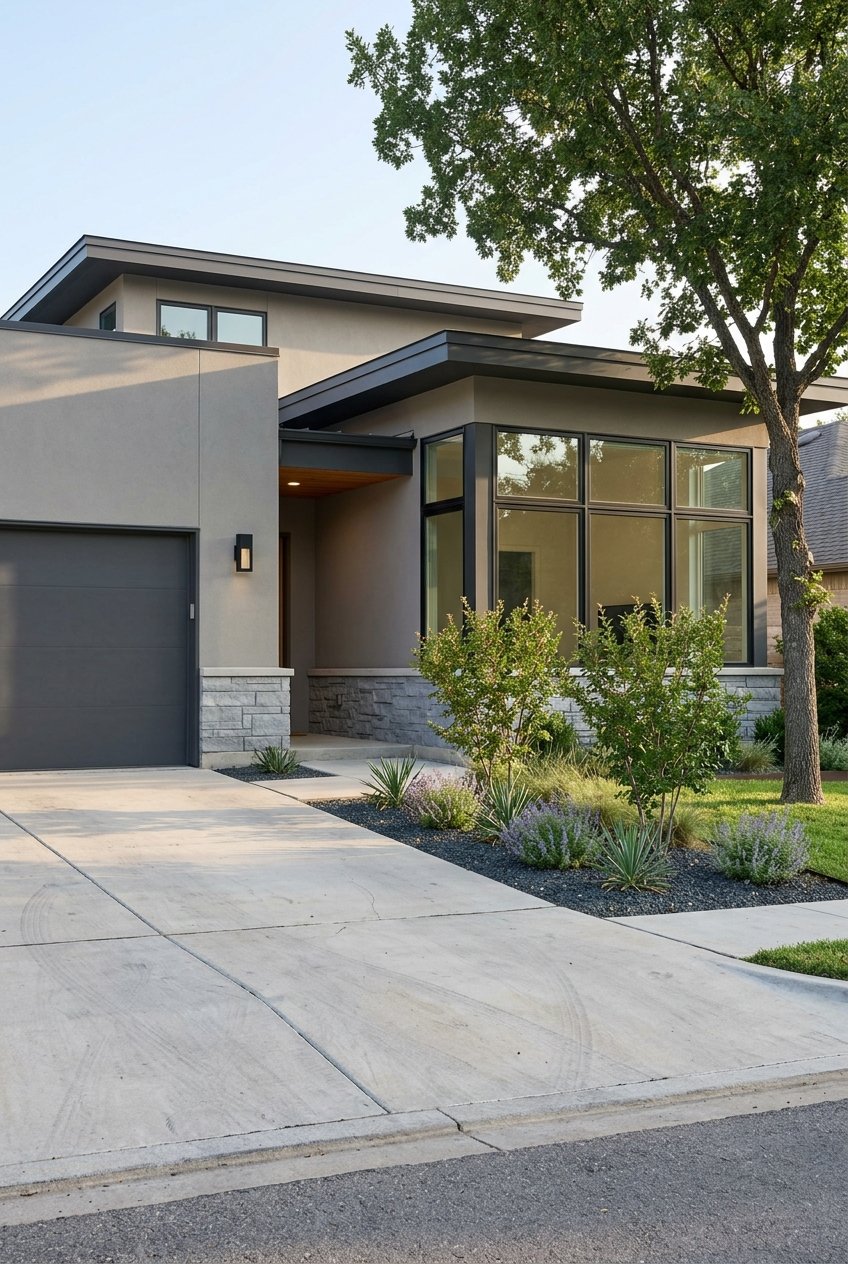
Thinking about buying a rebuilt home in Superior? You are not alone. In a market shaped by the Marshall Fire, a beautiful kitchen or fresh finishes only tell part of the story, and what really matters is how the home was rebuilt, approved, and documented. This guide will help you understand what to verify, what questions to ask, and where rebuilt homes in Superior can differ so you can make a confident decision. Let’s dive in.
Why rebuilt homes in Superior need extra review
Superior’s rebuilt-home market still reflects the impact of the Marshall Fire. Boulder County reports the fire swept through Superior, Louisville, and unincorporated Boulder County on December 30, 2021, destroying and damaging more than 1,000 homes. As of December 1, 2025, the county reported 829 certificates of occupancy granted for 1,109 homes destroyed.
That context matters because many homes now on the market were rebuilt under newer codes, updated town requirements, and in some cases special rebuild pathways tied to the fire. For you as a buyer, that means due diligence should go deeper than age, layout, and finishes.
Start with permits, not paint colors
A rebuilt home in Superior should have a clear approval trail. The Town of Superior says building permits are submitted electronically through CommunityCore, and the town does not accept paper submittals. The town’s adopted code set includes the 2024 International Residential Code, 2024 International Building Code, 2024 International Fire Code, and other current codes that affect how a home is designed and built.
Superior also lists a 36-inch frost line and a 154 mph wind speed as general interpretations. Those details help explain why structural plans, foundation design, and exterior-envelope work are more than routine paperwork.
What a complete permit package can include
According to the town’s residential checklist, a complete submittal can include:
- A soils report from a Colorado licensed soils engineer
- Stamped foundation and structural plans
- Architectural and floor plans
- Electrical and mechanical plans
- HVAC compliance documentation
- A green-building compliance plan
- A stamped site plan showing setbacks, drainage, utilities, retaining walls, window wells, and erosion-control measures
If a seller cannot produce key records, that should get your attention. Missing documents are not just an administrative issue. They can make it harder to confirm whether the home was built as approved.
What to ask for before you get attached
Before you focus on finishes, ask for:
- The permit number
- The approved plan set
- Any permit revisions or change history
- Final inspection signoffs
- The Certificate of Occupancy
- Third-party inspection reports required for closeout
Superior’s Certificate of Occupancy process may require grading certificates, setback certifications, public works final approvals, green points checklists, recycling documentation, and third-party reports for items like foundations, drainage, waterproofing, and footers. If that paper trail is incomplete, you may not have a full picture of the rebuild.
Understand Superior’s wildfire and WUI rules
In Superior, wildfire-related construction rules can directly affect the materials and layout of a rebuilt home. The town says 196 residentially zoned parcels fall within its wildland-urban interface, or WUI, boundary. The code applies to certain new construction, major exterior repairs or alterations, larger additions, and situations where more than 25% of an exterior is affected.
This matters because two rebuilt homes can look similar online but have very different exterior assemblies, venting details, glazing, and site-hardening features depending on location and code path.
What Class 1 and Class 2 areas can require
Superior says yellow and orange fire-intensity classifications correspond to Class 1 and Class 2 requirements.
In Class 1 areas, the town says requirements include:
- Class A roofs
- Noncombustible gutters and downspouts
- Noncombustible hardscape and ignition-resistant planting in the immediate zone around the home
In Class 2 areas, the requirements can expand to include:
- Protected eaves and soffits
- Exterior walls with a 1-hour fire-resistance rating or noncombustible materials
- Tempered or fire-rated exterior glazing
- Fire-rated or solid-core exterior doors
- Noncombustible or ignition-resistant fencing and retaining walls near structures
Why buyers should verify installed materials
For a rebuilt home, it is smart to compare what is installed with what was approved. That includes the roof, vents, eaves, windows, doors, deck surfaces, fencing, and the first 30 feet of landscaping around the home.
A listing may highlight “new construction” or “fully rebuilt,” but those words do not tell you which WUI standard applied, whether the home qualified for any exceptions, or whether the finished product matches the permit set.
Ask whether Marshall Fire rebuild exceptions were used
Some Marshall Fire rebuilds may have followed property-specific exceptions. Superior’s Sagamore materials and Marshall Fire Rebuild Affidavit show that some detached single-family homes lost in the fire were eligible to rebuild under the 2018 IECC and could opt out of the 2018 IRC sprinkler requirement by signing the affidavit. The affidavit also allowed some owners to opt out of Sagamore WUI requirements.
That does not automatically mean there is a problem. It does mean you should ask direct questions and request copies of any affidavit or exception documents tied to the property.
Key questions to ask the seller
Ask these questions early in the process:
- Was the home rebuilt under a standard permit path or a Marshall Fire rebuild exception?
- Was a rebuild affidavit used?
- Did the property opt out of any sprinkler or WUI requirements that otherwise might have applied?
- Are copies of those approvals available for review?
These answers can help your inspection and insurance review stay focused on the right issues.
Pay close attention to shell and drainage details
For rebuilt or recently renovated homes, the strongest inspection focus is often the building shell and water management. Superior’s closeout requirements and permit checklist point to the importance of foundation work, drainage, waterproofing, grading, and energy compliance.
That is especially important in a home that was rebuilt quickly, modified during construction, or marketed as “recently renovated” rather than fully rebuilt from the ground up.
Inspection items worth extra scrutiny
During your inspection period, pay close attention to:
- Foundation cracks or signs of settlement
- Site grading away from the house
- Window wells and retaining walls
- Perimeter drains and sump systems, if present
- Waterproofing details
- Signs of water intrusion
- Unfinished drainage work
It is also worth comparing the visible improvements with the approved plans. If a home was altered during construction, revision records can help explain what changed and whether it was formally approved.
WUI inspection items to review
If the property is in a WUI area, your inspection should also look closely at:
- Attic and underfloor venting
- Eaves and soffits
- Gutters
- Exterior wall assemblies
- Windows and other glazed openings
- Exterior doors
- Deck construction
- Landscape and hardscape near the structure
These details may not stand out during a casual showing, but they can be important in a rebuilt market like Superior.
Do not overlook green-building compliance
Superior’s Sustainable Building page says residential structures subject to the town’s green-building article must earn green points before building-permit issuance. That can be a real benefit for buyers because rebuilt homes may include more efficient systems or updated building practices than older homes nearby.
Still, do not assume every rebuilt home followed the same path or offers the same performance. The better move is to verify the final approved approach and any supporting documentation.
Insurance matters as much as condition
In a rebuilt-home market, insurance should be part of your due diligence before closing, not after. Colorado’s Division of Insurance says homeowners should review dwelling coverage, extended replacement cost, ordinance and law coverage, and additional living expense coverage.
The DOI suggests extended replacement cost at 50% of dwelling coverage for total-loss concerns, ordinance and law coverage at 20% of dwelling coverage for older homes in code-updated areas, and 24 months of additional living expense coverage because many policies offer only 12 months even though insurers must offer 24 months.
Why rebuild cost matters more than purchase price
The Marshall Fire highlighted the risk of underinsurance. In the Colorado DOI’s initial 2022 analysis of 951 total-loss claims, 36% of policies were underinsured at an assumed rebuild cost of $250 per square foot, 55% were underinsured at $300, and 67% were underinsured at $350. Only 8% had guaranteed replacement coverage.
Those figures do not define every current policy, but they are a strong reminder that your insurance decision should be based on rebuild cost, not just what you paid for the home.
Confirm insurability before deadlines pass
Colorado now has a FAIR Plan for situations where traditional coverage is unavailable, and the DOI says residential homeowners policies became available through the plan on April 10, 2025. If you are buying in a higher-risk area or a recently rebuilt neighborhood, it is wise to confirm insurability as early as possible.
If the property is part of an HOA, also review the master policy, deductible, and any potential loss-assessment exposure. In attached or clustered housing, those details can be just as important as the condition of the unit itself.
A practical checklist for buying a rebuilt home
Here is a simple way to organize your due diligence in Superior:
- Confirm the permit number and Certificate of Occupancy.
- Request the approved plans, revisions, and final inspection signoffs.
- Ask for all required third-party inspection reports.
- Verify whether the property used a Marshall Fire rebuild affidavit or exception.
- Check whether the home is in a WUI area and which class applied.
- Compare installed materials and exterior features to the approved plans.
- Focus your inspection on structure, drainage, waterproofing, and exterior fire-resistance details.
- Get an insurance quote before inspection or objection deadlines.
- Review HOA insurance documents if the property is in a common-interest community.
Why local guidance matters in Superior
Buying a rebuilt home in Superior is not the same as buying a typical resale home. You are often evaluating construction documents, code pathways, wildfire-related requirements, and insurance questions all at once.
That is where practical, local guidance can help. With strong market knowledge and a construction-minded approach, you can sort through the details more clearly and stay focused on whether a home is truly a good fit for your goals, budget, and risk tolerance.
If you are considering a rebuilt home in Superior and want help reviewing the bigger picture, the Matt Ladwig Team can help you evaluate the property, the paperwork, and the market context so you can move forward with confidence.
FAQs
What documents should you request when buying a rebuilt home in Superior?
- Ask for the permit number, approved plan set, revision history, final inspection signoffs, Certificate of Occupancy, and any required third-party inspection reports.
What wildfire rules can affect a rebuilt home in Superior?
- Some properties fall within Superior’s WUI boundary, where Class 1 or Class 2 requirements can affect roofs, gutters, eaves, exterior walls, windows, doors, decks, fencing, and nearby landscaping.
What should you inspect first in a rebuilt Superior home?
- Pay close attention to foundation conditions, site grading, drainage, waterproofing, retaining walls, window wells, and any exterior features tied to wildfire-resistance requirements.
What insurance issues matter when buying a rebuilt home in Superior?
- Review dwelling coverage, extended replacement cost, ordinance and law coverage, additional living expense coverage, and confirm the property is insurable before closing.
What is a Marshall Fire rebuild affidavit in Superior?
- For some properties, a Marshall Fire rebuild affidavit could allow specific rebuild paths or opt-outs, so you should ask whether one was used and request a copy if it applies.
Are all rebuilt homes in Superior built the same way?
- No. Rebuilt homes can differ based on permit history, WUI classification, approved materials, green-building compliance, and whether any property-specific rebuild exceptions were used.